
The Fascinating History of Figure Skating
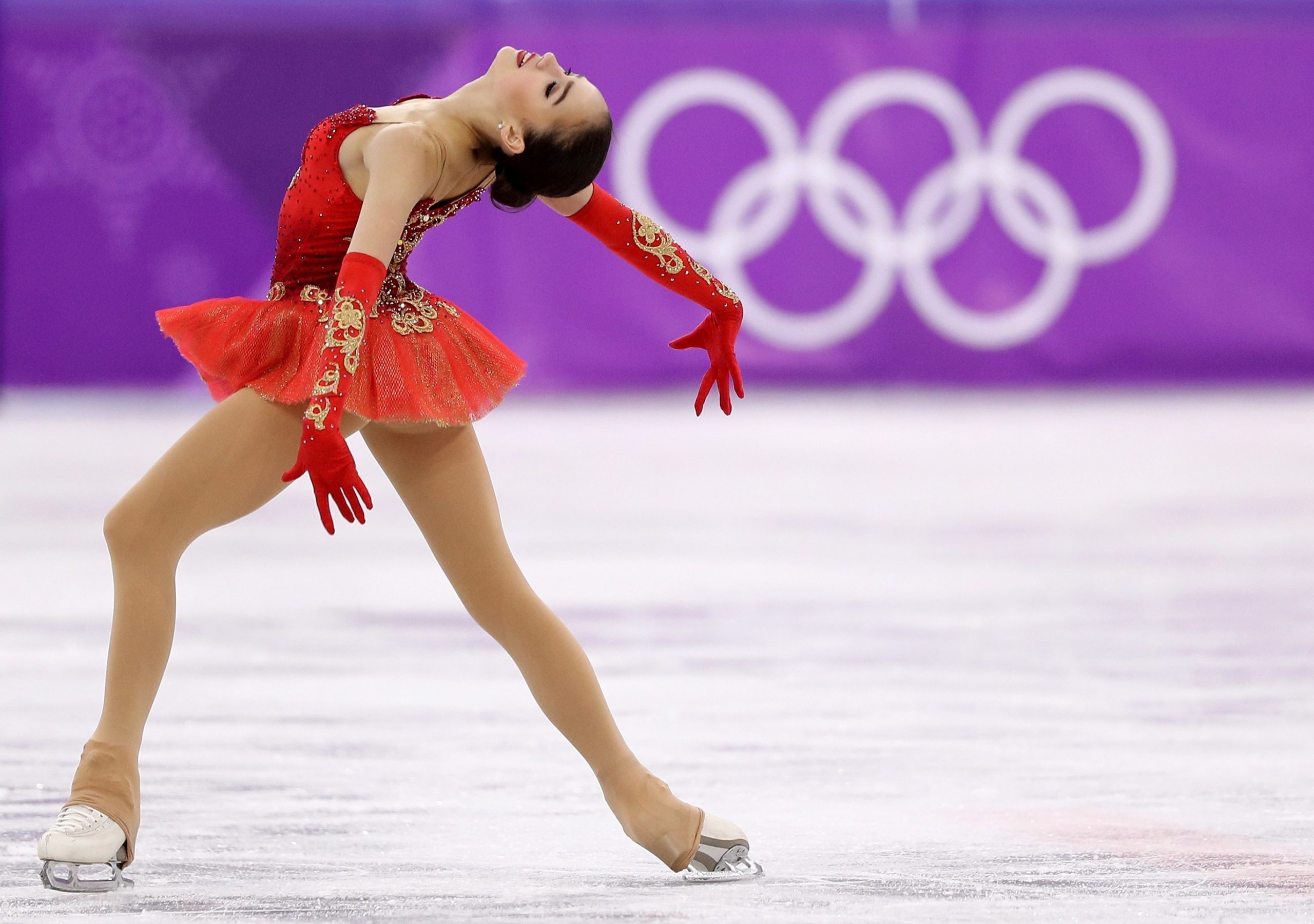
Figure skating is an Olympic ice skating sport whose main idea is the movement of an athlete, or a pair of athletes, across the ice on skates while performing specific elements to music. Both men and women take part in figure skating.
Figure skating might look like pure elegance on ice today, but its story goes way back thousands of years. What started as a simple way to get across frozen lakes has transformed into one of the most artistic and athletic sports in the world. Let’s take a glide through its history.
The History and Development of Figure Skating
Before speaking about the origins of figure skating, it is worth mentioning the appearance of the first skates. Archaeological findings show that prototypes of skates existed as far back as the Bronze Age (35/33 – 13/11 centuries BCE). However, those skates were not suitable for figure skating — their purpose was simply to help the wearer move faster.
Figure skating itself originated in the Netherlands between the 12th and 14th centuries. It became possible thanks to the invention of iron skates with two edges. But this was not the kind of figure skating we are familiar with today. Skaters would trace various figures on the ice while maintaining elegant posture.
In 1742, the first figure skating club was established in Edinburgh. Around the same time, the first list of compulsory figures and the first rules were created. From Europe, figure skating quickly spread to the United States, where it developed rapidly. New clubs began to open, rules were improved, and new skate designs were created.
By the mid-19th century, nearly all of the compulsory figures had been developed, along with the technical methods needed to perform them. At the first Skaters’ Congress in 1871, figure skating was officially recognized as a sport, and just 11 years later, the first official figure skating championship was held.
In 1890, to celebrate the 25th anniversary of the skating rink in the Yusupov Garden in St. Petersburg, the world’s top skaters gathered for an event that became known as the “unofficial World Championship.” The scale of this international competition paved the way for the first official World Figure Skating Championship, which took place in St. Petersburg in 1896.
From Bones to Blades
Believe it or not, the first “skates” were made about 5,000 years ago in Northern Europe. People strapped animal bones to their feet and pushed themselves across frozen rivers with sticks. Fast forward to the 13th and 14th centuries, and the Dutch introduced steel blades with sharp edges. This was a game-changer — suddenly, you could glide smoothly and even turn without using poles.
By the 18th century, figure skating had become a leisure activity in Britain. Skaters enjoyed tracing circles and shapes on the ice, which is exactly where the name figure skating comes from. The world’s first figure skating club even popped up in Edinburgh in the 1740s.
Skating Goes Global
-
1891: The first European Championships took place in Hamburg.
-
1892: The International Skating Union (ISU) was founded.
-
1896: The very first World Championships were held in St. Petersburg.
And by 1908, figure skating had already hit the Olympic stage — making its debut at the Summer Olympics in London (yes, summer!). It officially joined the first Winter Olympics in 1924, and from there, the sport just kept growing.
Expanding the Sport
Figure skating isn’t just about singles anymore. Over time, new disciplines were added:
-
Pairs skating (Olympic debut in 1908)
-
Ice dance (World Championships in 1952, Olympics in 1976)
-
Synchronized skating (originated in the U.S. in the 1960s, recognized by the ISU in 1994)
Each discipline brought its own flavor — from daring lifts and throws to dance-like performances and team formations.
Pushing the Limits
The sport has always been evolving. Until the 1990s, skaters had to perform “compulsory figures” — precise patterns on the ice. Once these were dropped, the focus shifted more to artistry and technical difficulty.
By the 1980s, triple jumps became standard. In the 1990s, quads entered the scene, raising the bar for athleticism. And in 2004, the old “perfect 6.0” scoring system was replaced with a detailed points-based system that rewards both technical skills and artistry.
Blending Sport and Art
Figure skating has always been about creativity. Jackson Haines brought ballet influence, Hungarian skater Lily Kronberger added music in 1911, and since 2014, skaters have even been allowed to perform with songs that include lyrics. This opened the door for even more expressive and modern programs.
The Legacy of Figure Skating
From bones tied to boots to breathtaking Olympic performances, figure skating has glided through centuries of change. Today, it stands as a sport where power meets grace, and athletic jumps meet emotional artistry — keeping audiences captivated around the world.
✨ So next time you watch a skater land a quad or glide effortlessly to music, remember — it all started with bones on ice thousands of years ago.
Rules in Figure Skating
The rules depend on the type of figure skating: individual women’s, individual men’s, pairs figure skating, and ice dance.
In individual skating, both men and women are required to perform two programs — the short program and the free skate.
The short program, which can last up to 2 minutes and 40–50 seconds, must include 8 required elements: a double or triple Axel, a triple or quadruple jump, one jump combination, several different types of spins, and two step sequences. These elements may be performed in any order.
If one of the required elements is missing, a penalty is applied.
Free Skate Program
The free skate is almost twice as long as the short program — it lasts 4.5 minutes for men and 4 minutes for women. Skaters aim to include the most difficult elements possible in their program, as these can earn them higher scores.
In pairs figure skating, the rules are very similar to those of individual skating, with the difference being in the required elements. For pairs, these include lifts (the partner lifts the female skater), throw jumps (when the partner throws the female skater into a jump), as well as synchronized jumps and spins.
Ice Dance and Synchronized Skating
The program for ice dancers is somewhat different. They must perform three types of dances: the compulsory dance, the original dance, and the free dance.
-
Compulsory Dance: All dancers are given the same routine with a set of required elements.
-
Original Dance: Skaters are assigned a specific theme, which they must interpret in their own way.
-
Free Dance: Here, athletes can fully showcase their creativity, talent, and skill. Skaters choose their own music, costumes, and choreography, and this portion carries the most weight in scoring — up to 50%.
There is also synchronized skating, where 16 to 20 skaters perform together as one team. The goal is to move and perform as a single unit. The technique, gliding, and elements are based on classical figure skating, but synchronized skating has its own required elements, such as circles, lines, wheels, intersections, and blocks.
In figure skating, jumps are divided into two groups depending on how the take-off is made: edge jumps and toe jumps. Today, skaters perform six main types of jumps — the toe loop, Salchow, loop, flip, Lutz, and Axel.
The Birth of Modern Figure Skating
Enter Jackson Haines, an American ballet dancer who’s often called the “father of modern figure skating.” In the 1860s, he broke away from stiff, formal traditions by adding ballet moves, music, and expressive style to skating. At first, Americans weren’t impressed — but Europe loved it, and his influence spread worldwide.
Another big milestone came in 1850 when Edward Bushnell introduced steel-bladed skates. These made spins, jumps, and complex moves possible — laying the foundation for the skating we see today.
Ice Rink
As a rule, this is a standard rink measuring 30 × 60 meters. It has plastic or movable boards. The ice surface must be very high-quality, clean, and smooth; this is achieved using special equipment, and the unevenness must not exceed 0.50 cm.
Clothing and Equipment for Figure Skating
Professional figure skates are made from thick, durable leather, feature long laces, and have a large tongue. For professional figure skaters, skates are custom-made. The blades are made from carbon steel and consist of two parts:
-
A concave section for good gliding on the ice.
-
A toe pick for performing pushes and certain program elements.
A figure skating costume should be made from light and elastic materials, typically stretch fabrics. The skater’s costume reflects the style of the program and the music.
Judging
Chief Judge – Responsible for the organizational aspects of the competition: calls skaters onto the ice, gives signals to the radio system, and monitors the timing.
Technical Specialist with an Assistant – Record the elements performed and any falls.
Technical Controller – Oversees the work of the technical team.
9 Judges – Evaluate the quality of the performance.
Figure skating in the United States is overseen by U.S. Figure Skating, a non-profit organization that manages the sport, selects national teams, and organizes major events such as the U.S. Championships. Skating opportunities range from recreational programs like Learn to Skate USA® to competitive levels, where athletes such as Nathan Chen and Michelle Kwan have achieved international acclaim. The organization’s national headquarters, along with the World Figure Skating Museum & Hall of Fame, are based in Colorado Springs, Colorado.
Governing Body & Organization
U.S. Figure Skating is the national governing body for figure skating in the United States. Recognized by the U.S. Olympic & Paralympic Committee (USOPC) and a member of the International Skating Union (ISU), it oversees all aspects of the sport in the country.
Structure: The organization is made up of member clubs, collegiate and high school clubs, and individual members.
Role: U.S. Figure Skating establishes rules for testing and competitions, appoints officials, organizes events, and actively promotes the sport at all levels.
Participation & Programs
Learn to Skate USA® is a cornerstone program, offering thousands of classes across 49 states for recreational and aspiring competitive skaters alike.
Membership: Skaters can join through local clubs, which handle their U.S. Figure Skating membership and provide access to programs, events, and competitions.
Competitions & Events
U.S. Championships: Held annually, this prestigious event crowns national champions in men’s and women’s singles, pairs, and ice dance.
International Representation: U.S. Figure Skating selects athletes and officials to represent the United States at international competitions, including the Olympics and World Championships.
Notable Figures & History
Michelle Kwan remains one of the most celebrated U.S. figure skaters, with multiple Olympic medals, World Championship titles, and national victories.
Olympic Success: U.S. skaters, including stars like Nathan Chen, Madison Chock, and Evan Bates, have brought home numerous medals, including gold at the 2022 Winter Olympics.
Museum & Headquarters
The national headquarters of U.S. Figure Skating is located in Colorado Springs, Colorado, and also houses the World Figure Skating Museum & Hall of Fame, celebrating the sport’s rich history and iconic athletes.
Figure Skating Facilities in Florida
Florida is home to several great ice skating venues, perfect for everyone from beginners to elite athletes. Whether you’re looking to take lessons, join a program, or just enjoy some freestyle skating, these rinks have something for everyone.
Palm Beach Ice Works – Located in Palm Beach, this facility features an Olympic-size rink, making it ideal for serious skaters while also welcoming the public for recreational skating.
Florida Panthers IceDen – A top-notch training center in South Florida, the IceDen has multiple rinks, a gym, and a ballet studio. It’s home to the Panthers Skating Academy and the Panthers Figure Skating Club, making it a hub for both competitive and recreational skaters.
The Ice Factory – Situated in Central Florida, The Ice Factory offers year-round skating opportunities, accommodating both recreational skaters and those training for competitions.
Most facilities offer freestyle sessions, lessons, and structured programs for all ages and skill levels. To get started, contact the rinks directly for registration details, fees, and schedules.
Leave a Reply